Why Traveling with a Toddler is Insane (And Why You Should Do It Anyway)
Everyone told us we were crazy to fly internationally with a toddler. They were half right. Here's how we did it and why you should take the trip.
We were talking with a friend recently about traveling with kids, and she asked the question that usually makes the room go quiet:
"What was your longest flight with the little one?"
I told her about our trip to New Zealand.
For context: It’s a trek. We flew to New Zealand (15 hours) and back from Australia (13 hours). When people hear that, they usually give me a look that says, "You are absolutely out of your mind."
And look, I get it. There is no denying that the thought of being trapped in a metal tube for 14+ hours with a 2.5-year-old sounds like a nightmare scenario. You picture the screaming, the glaring passengers, the sheer exhaustion. You picture yourself walking down the aisle with a crying child while hundreds of strangers judge your parenting skills.
But looking back on that trip, which was about two years ago now, I realized something important. I remember the flight being long. I remember being tired. But I don't remember my child being a reason not to have taken that trip.
If you are a dad sitting on the fence, terrified that your kid is going to be "that kid" on the plane, I’m here to tell you that the fear is worse than the reality. Here is my honest take from what actually happened—mistakes included.
The Fear vs. The Reality
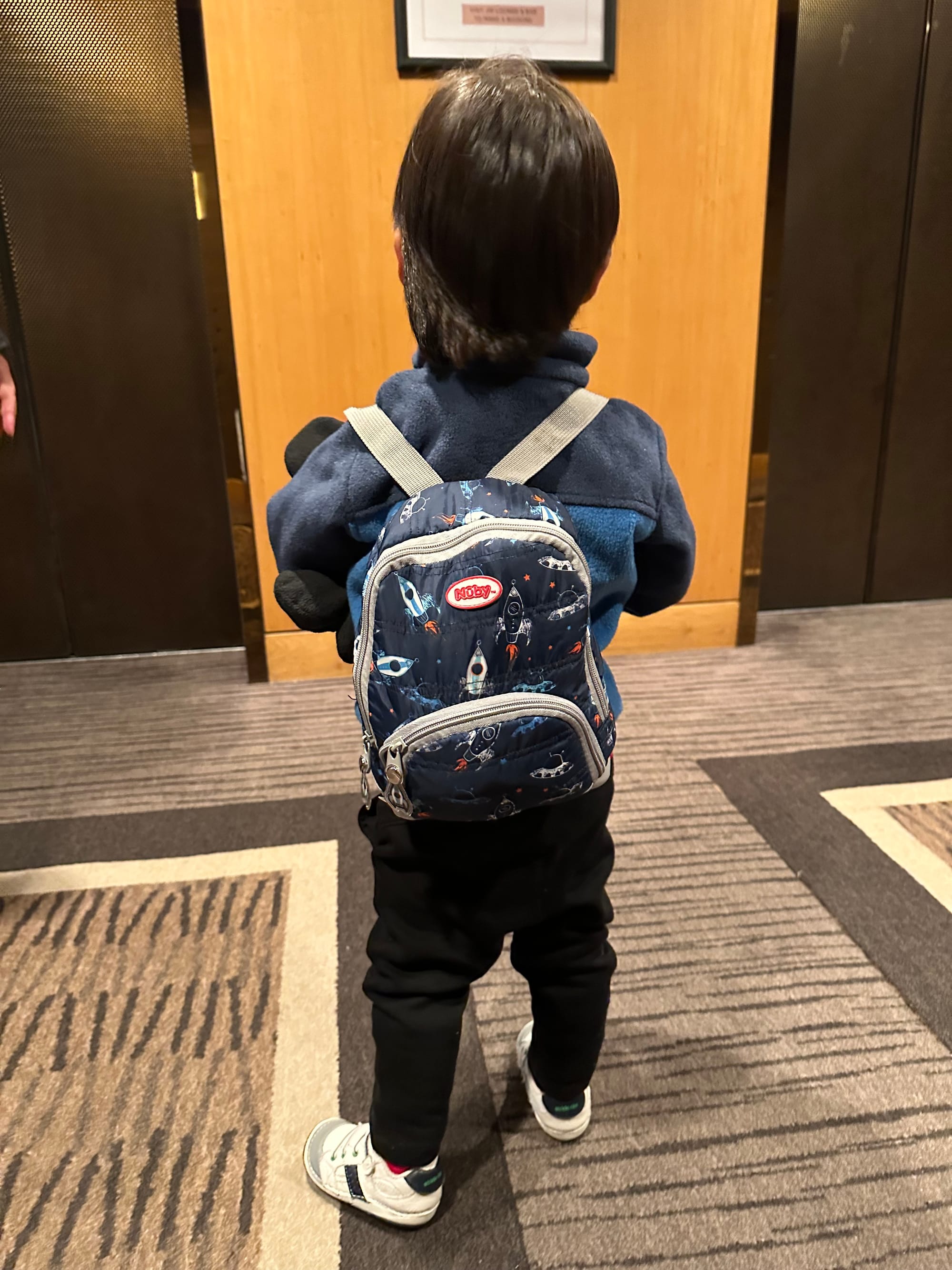
Before we left, the idea of the flight was daunting. But once we were in the air, the reality was much softer than the nightmare I had built up in my head.

Did he eat the airline food? Absolutely not. But he decimated the stash of snacks we prepared ahead of time.
Did he run laps in the aisle? No, he watched Bluey until his eyes got heavy, and then he slept for the long portion of the flight.
We also got lucky with Air New Zealand. I have to give them credit—the flight attendants were incredible. Instead of treating us like a nuisance, they made us feel welcome. They checked on us constantly, not because we were loud, but to make sure we were comfortable.
Honestly, my anxiety during the flight had less to do with my son and more to do with sports. France and Australia were playing in the World Cup playoffs, and I was frantically refreshing the in-flight Wi-Fi between naps trying to follow the score.
The bottom line? The two weeks we spent exploring museums, zoos, and eating amazing food far outweighed the two days of travel it took to get there and back.
The Big Mistake: Don't Do This

I want to be transparent, though. It wasn't all perfect. The flight back was terrible.
But it wasn't my son's fault. It was mine.
I was a novice traveler and I made a rookie error: I booked a daytime return flight.
- We left Sydney at 9:00 AM.
- We landed in Los Angeles at 9:00 AM.
Do the math on that. We forced a high-energy 2.5-year-old to sit still for an entire day, only to land in the US and have to start another full day.
He was restless. He was hungry. He wanted off the plane. Can you blame him? That was a planning failure, not a parenting failure. A little bit of research would have told me to book the night flight.
Lesson learned: Always book the overnight long-haul flight. Let the vibration of the plane do the work. If they sleep for even 4 hours, you win.
My Rules for Survival
If (when 🤞) you decide to take the plunge, here are the strategies that saved us. We use these strategies for both long hauls (yes, we did more) and shorter domestic and international flights.
The Hype Campaign (Prep Work)
You can’t just spring a 14-hour flight on a toddler. Even at two years old, they understand more than you think. You have to prepare them mentally.
We started talking about the trip months in advance. We didn't just say "we are going on a trip." We got specific.
- We talked about the "beep machine" at security.
- We explained that a machine was going to "look at his bones" (TSA).
- We talked about the sirens and the honks.
When we finally got to the security line, instead of being terrified of the noise and the chaos, he recognized it. I could say, "Look! It’s the machine we talked about!" It turned a scary environment into a known process.
The "Buffer Day" Rule
This is a rule our family follows religiously now:
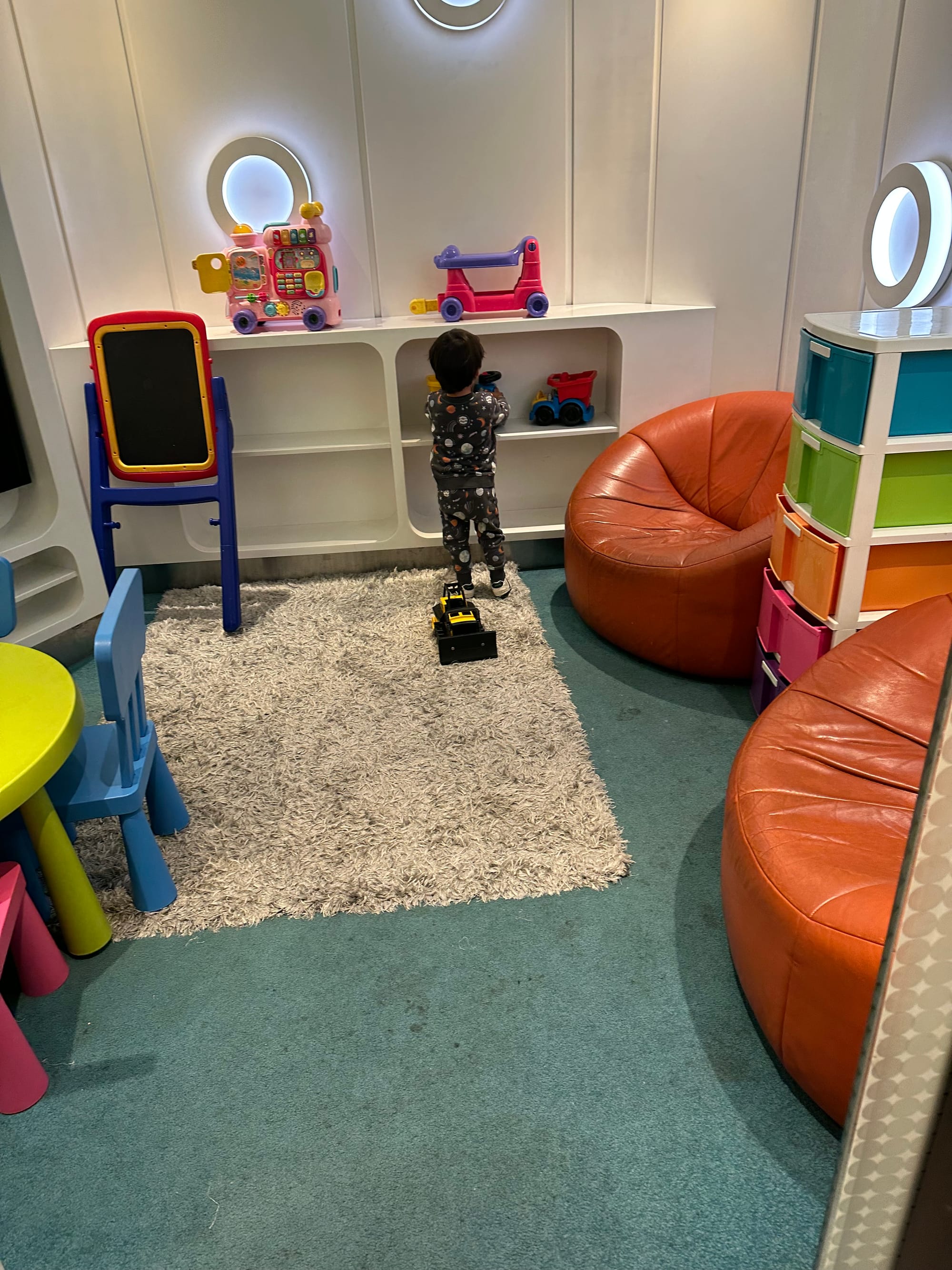
Never plan activities on travel days.
Our first day is strictly for arriving. Our last day is strictly for leaving.
When we land, we have no appointments. No dinner reservations. No "quick stops" to see a landmark. The goal is just to get the family unit from Point A to Point B in one piece.
If the flight is delayed? It doesn't matter. If the rental car line is an hour long? We aren't missing anything. This removes 90% of the friction.
Limit to One Major Activity Per Day
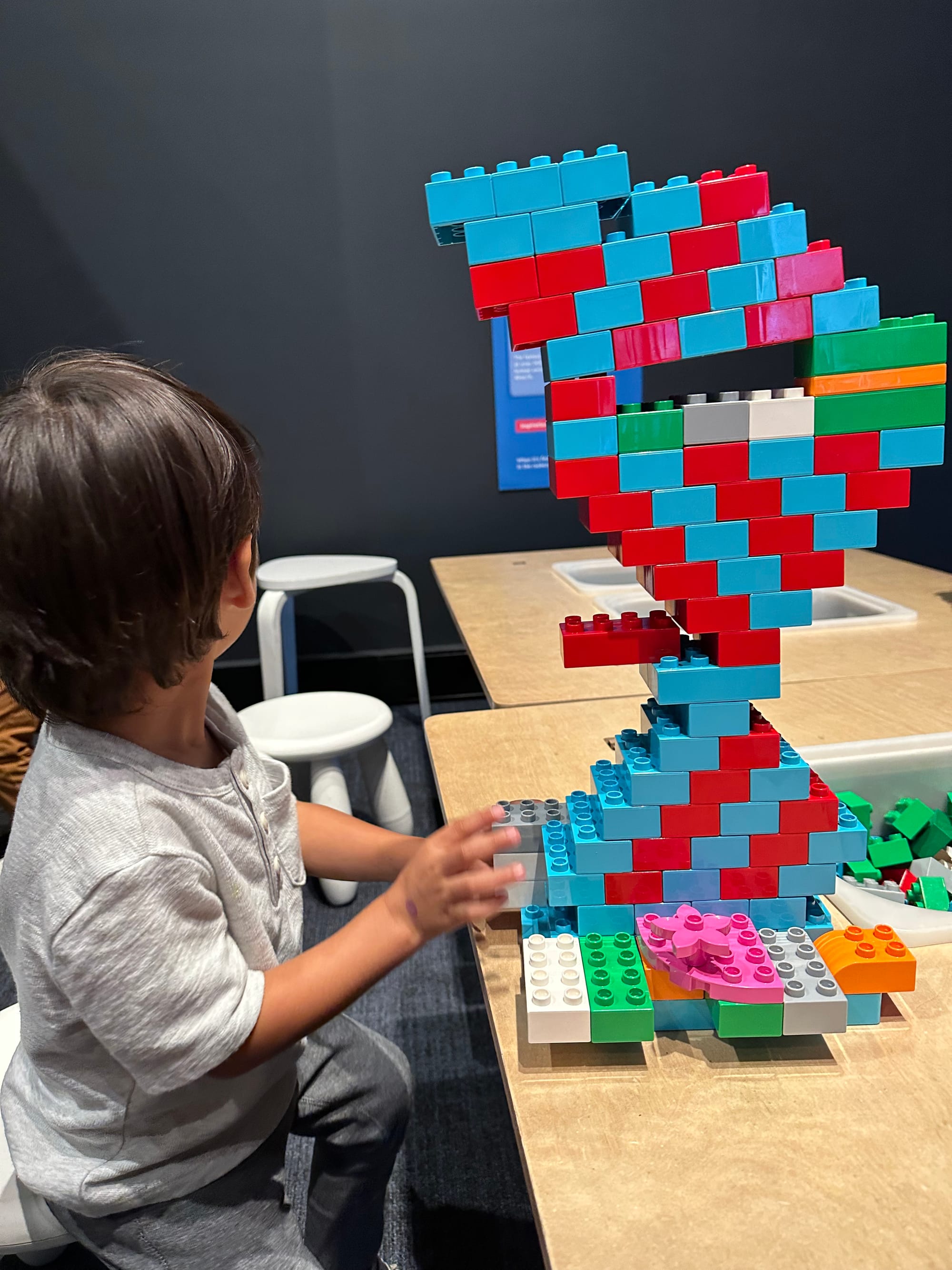
Once you are at your destination, don't try to be a hero. We aim for one planned activity per day, ideally in the morning.
We wake up, have breakfast as a family, and hit the Zoo or the Museum early while everyone has energy. After that? We just wing it.
If we feel up for a park, we go to a park. If we just want to walk around a grocery store (which is surprisingly fun in a foreign country), we do that.
If you have tickets for the Zoo at 9 AM and a lunch reservation at 1 PM and a museum at 4 PM, you are setting yourself up for a meltdown.
The Illusion of Choice
Toddlers love control because they usually have none. Traveling strips them of their routine, so we found that giving our son a say in non-critical items made a huge difference.
- "We need to go to the park. Do you want to take the bus or the train?"
- "For lunch, do you want a burger or sushi?"
If public transit allows it, let them pick the route. Even if it takes 10 minutes longer, a happy kid on a bus is better than a screaming kid in a faster Uber. It makes them feel like they are contributing to the trip, not just being dragged around on it.
Why We Do It
Some people will tell you, "They’re too little, they won't remember it."
That’s a post for another day, but let me just tell you: He remembers.
We talk about that trip all the time.
But more importantly, traveling early and often brings out a level of curiosity in kids that you don't get by staying home. They see other cultures. They hear other languages. They see that people eat different foods and live different lives.
It builds a foundation of openness that will stick with them, even if they don't remember the specific flight number.
So, take the trip. Just... maybe don't book the daytime return flight.
If you're curious about how we booked our flights, I wrote about it on my other blog!
 Chris Huerta